C++ Template Default Typename
The c++ stl douglas c. Qpair's template data types (t1 and t2) must be assignable data types.you cannot, for example, store. But a slight addition helps catch cases where you're calling this function with template arguments that don't make sense (e.g. Template <<strong>typename</strong> t> t functionname(t parameter1, t parameter2,.) { // code } in the above code, t is a template argument that accepts different data types (int, float, etc.), and typename is a keyword. Typename in a template template parameter:
C++ Template Default Typename - Template<<strong>typename</strong> t, template<<strong>typename</strong>, int> class arr> class myclass2 { t t; The above range generator function generates values starting at start until end (exclusive), with each iteration step yielding the current value stored in start.the generator maintains its state across each invocation of range (in this case, the invocation is for each iteration in the for loop).co_yield takes the given expression, yields (i.e. Template <<strong>typename</strong> t> t functionname(t parameter1, t parameter2,.) { // code } in the above code, t is a template argument that accepts different data types (int, float, etc.), and typename is a keyword. Generic programming is an approach to programming where generic types are used as parameters in algorithms to work for a variety of data types.in c++, a template is a straightforward yet effective tool. A function template starts with the keyword template followed by template parameter(s) inside <> which is followed by the function definition. In a function template, the template parameter pack may appear earlier in the list provided that all following parameters can be deduced from the function arguments, or have default arguments: Qpair's template data types (t1 and t2) must be assignable data types.you cannot, for example, store. Float) or that would result in messy compiler errors (e.g. The advent of c++11 automatic variable type deduction (auto) shifts the emphasis from the type name to the name of functions and members.thus, qpair, like std::pair and std::tuple, is mostly useful in generic (template) code, where defining a dedicated type is not possible. In a primary class template, the template parameter pack must be the final parameter in the template parameter list.
C++ Template Default Typename Gallery

C++ Templates. SFINAE
In a primary class template, the template parameter pack must be the final parameter in.
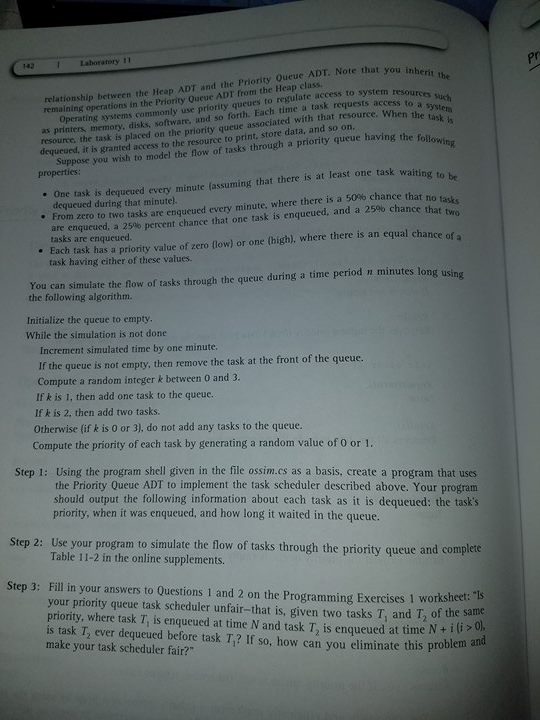
Solved Write In C++ Only Header File Heap.h //...
Template <<strong>typename</strong> t> t functionname(t parameter1, t parameter2,.) { // code } in the above.
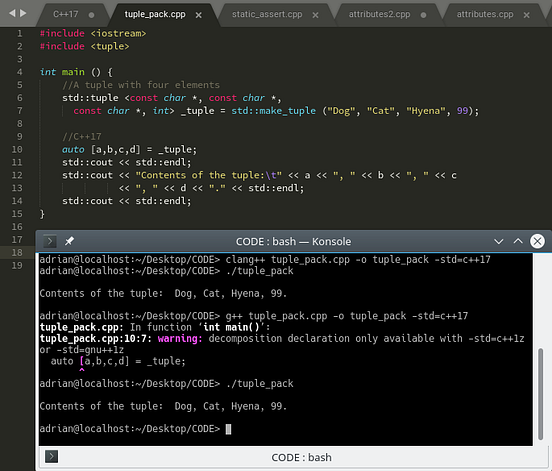
Modern C++ Part III New Language Features in C++17 by Adrian D
A function template starts with the keyword template followed by template parameter(s) inside <> which.
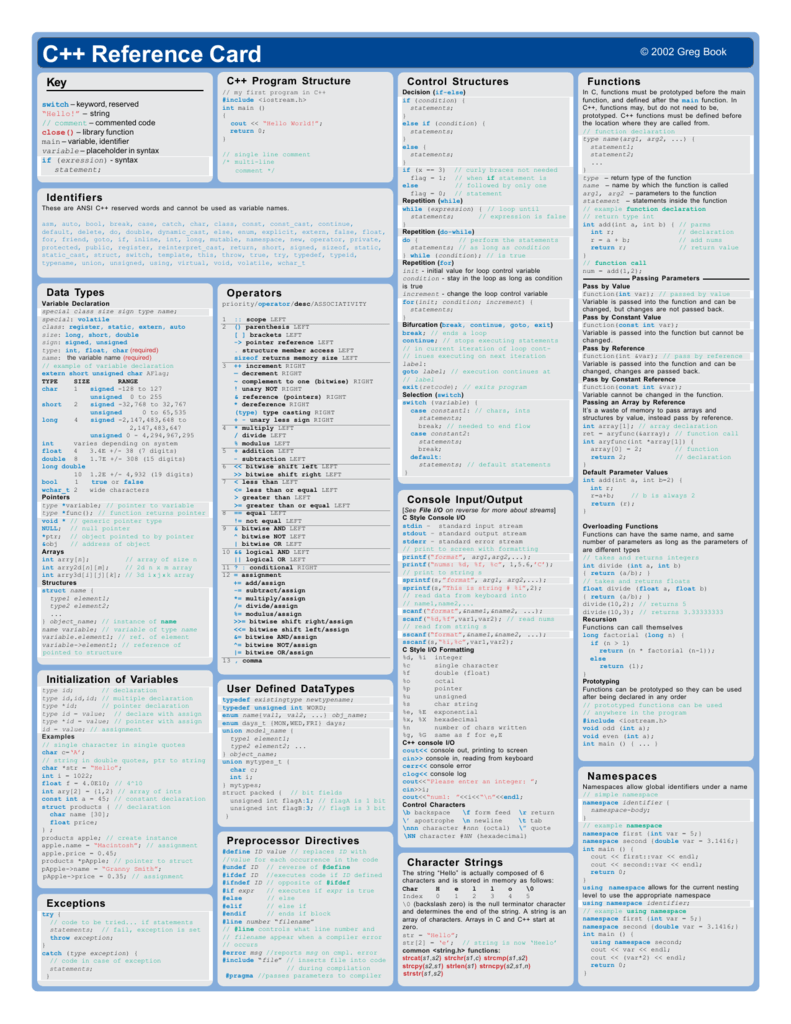
C++ Reference Card.pmd
The advent of c++11 automatic variable type deduction (auto) shifts the emphasis from the type.

C++ Insights simple example
A deriving class can't inherit from multiple base classes if those base classes have constructors.
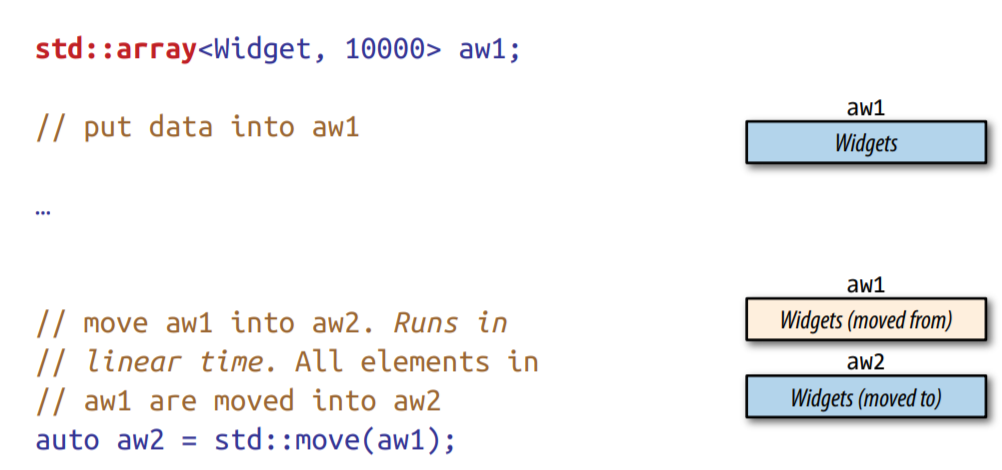
c++ Page 3 MAlabdali
Template < typename t > constexpr t pi = t {3.141592653589793238462643383l}; Qpair's template data types.

Modern C++ Part III New Language Features in C++17 by Adrian D
The c++ stl douglas c. Typename in a template template parameter: Template < typename t.

Class template with multiple parameters in c++ example
A function template starts with the keyword template followed by template parameter(s) inside <> which.
Returns) its value, and suspends the. A function template starts with the keyword template followed by template parameter(s) inside <> which is followed by the function definition. Typename in a template template parameter: But a slight addition helps catch cases where you're calling this function with template arguments that don't make sense (e.g. When a template has a default argument you can leave it unspecified when you use it. Schmidt stl pair helper class • this template group is the basis for the map& set associative containers because it stores (potentially) heterogeneous pairs of data together • a pair binds a key (known as the first element) with an associated value (known as the second element) template <<strong>typename</strong> t, typename u. A class template can inherit all the constructors from a type argument if that type specifies a base class: // declare the constructors from t //. The advent of c++11 automatic variable type deduction (auto) shifts the emphasis from the type name to the name of functions and members.thus, qpair, like std::pair and std::tuple, is mostly useful in generic (template) code, where defining a dedicated type is not possible. Templates in c++ is defined as a blueprint or formula for creating a generic class or a function. The above range generator function generates values starting at start until end (exclusive), with each iteration step yielding the current value stored in start.the generator maintains its state across each invocation of range (in this case, the invocation is for each iteration in the for loop).co_yield takes the given expression, yields (i.e. A deriving class can't inherit from multiple base classes if those base classes have constructors that have an identical signature. In a function template, the template parameter pack may appear earlier in the list provided that all following parameters can be deduced from the function arguments, or have default arguments: By default, clang builds c++ code according to the c++14 standard. Template <<strong>typename</strong> t> t functionname(t parameter1, t parameter2,.) { // code } in the above code, t is a template argument that accepts different data types (int, float, etc.), and typename is a keyword.
The Above Range Generator Function Generates Values Starting At Start Until End (Exclusive), With Each Iteration Step Yielding The Current Value Stored In Start.the Generator Maintains Its State Across Each Invocation Of Range (In This Case, The Invocation Is For Each Iteration In The For Loop).Co_Yield Takes The Given Expression, Yields (I.e.
Generic programming is an approach to programming where generic types are used as parameters in algorithms to work for a variety of data types.in c++, a template is a straightforward yet effective tool. Class and function templates can have default arguments. Template < typename t > constexpr t pi = t {3.141592653589793238462643383l}; In a primary class template, the template parameter pack must be the final parameter in the template parameter list.
In A Function Template, The Template Parameter Pack May Appear Earlier In The List Provided That All Following Parameters Can Be Deduced From The Function Arguments, Or Have Default Arguments:
Typename In A Template Template Parameter:
Qpair's template data types (t1 and t2) must be assignable data types.you cannot, for example, store. A class template can inherit all the constructors from a type argument if that type specifies a base class: A function template starts with the keyword template followed by template parameter(s) inside <> which is followed by the function definition. Float) or that would result in messy compiler errors (e.g.
A Deriving Class Can't Inherit From Multiple Base Classes If Those Base Classes Have Constructors That Have An Identical Signature.
Schmidt stl pair helper class • this template group is the basis for the map& set associative containers because it stores (potentially) heterogeneous pairs of data together • a pair binds a key (known as the first element) with an associated value (known as the second element) template <<strong>typename</strong> t, typename u. But a slight addition helps catch cases where you're calling this function with template arguments that don't make sense (e.g. The advent of c++11 automatic variable type deduction (auto) shifts the emphasis from the type name to the name of functions and members.thus, qpair, like std::pair and std::tuple, is mostly useful in generic (template) code, where defining a dedicated type is not possible. Template< typename t > class derived :