C++ Template Member Function
The compiler will use the template arguments that you used, in this case, to create the. Now, alternatively, it is also possible for the template member function to be defined independently of the declaration of its class template. A template parameter is a special kind of parameter that can be used to pass a type as argument: The problem is that buttonclickedevent is a member function and you need a pointer to member in order to invoke it. Construct and insert element (public member function) emplace_back construct and insert element at the end (public member function) allocator:
C++ Template Member Function - In c++ this can be achieved using template parameters. Just like regular function parameters can be used to pass values to a function, template parameters allow to pass also types to a function. A function template behaves like a function except that the template can have arguments of many different types. A template parameter is a special kind of parameter that can be used to pass a type as argument: The only member function in the previous class. The compiler will use the template arguments that you used, in this case, to create the. Now, alternatively, it is also possible for the template member function to be defined independently of the declaration of its class template. In a function template, the template parameter pack may appear earlier in the list provided that all following parameters can be deduced from the function arguments, or have default arguments: Function parameter list, member initializer list, attribute list, etc. There are three kinds of templates:
C++ Template Member Function Gallery

Virtual function in c++ with example pdf
In a function template, the template parameter pack may appear earlier in the list provided.
friend function(c++)
Just like regular function parameters can be used to pass values to a function, template.
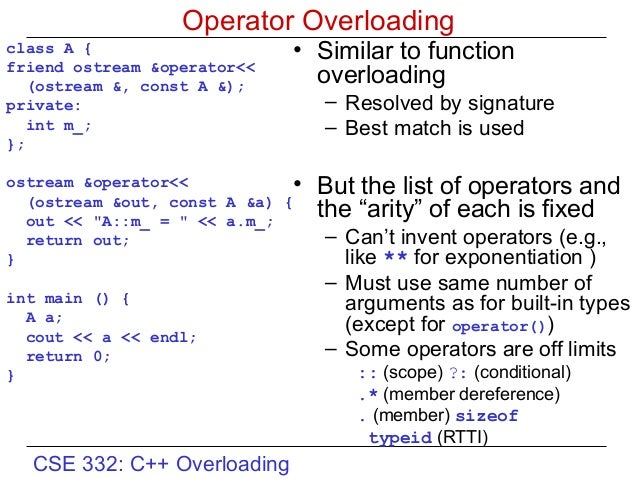
C++ overloading
A function template behaves like a function except that the template can have arguments of.

C++Basics with Visual Studio 2019 Step by Step Guide CodingGrammar
The compiler will use the template arguments that you used, in this case, to create.

Penjelasan Dan Cara Menggunakan Static Member Function Belajar C++
A function template behaves like a function except that the template can have arguments of.

Pengertian Abstraksi Pada Bahasa Pemrograman Belajar C++
The compiler will use the template arguments that you used, in this case, to create.
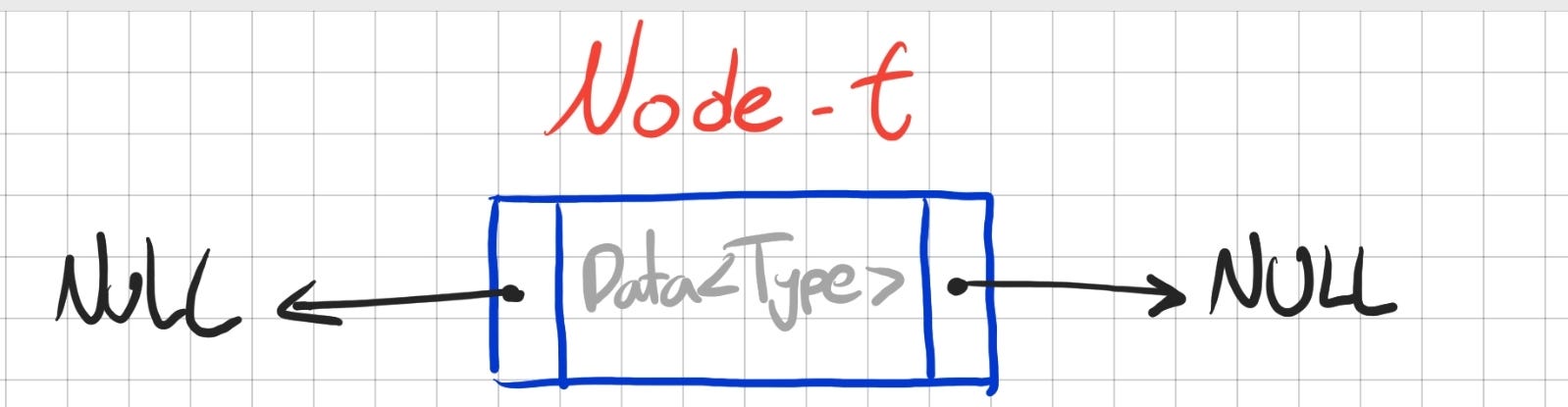
TreeSet data structure in C++ Mateo Terselich Medium
The compiler will use the template arguments that you used, in this case, to create.
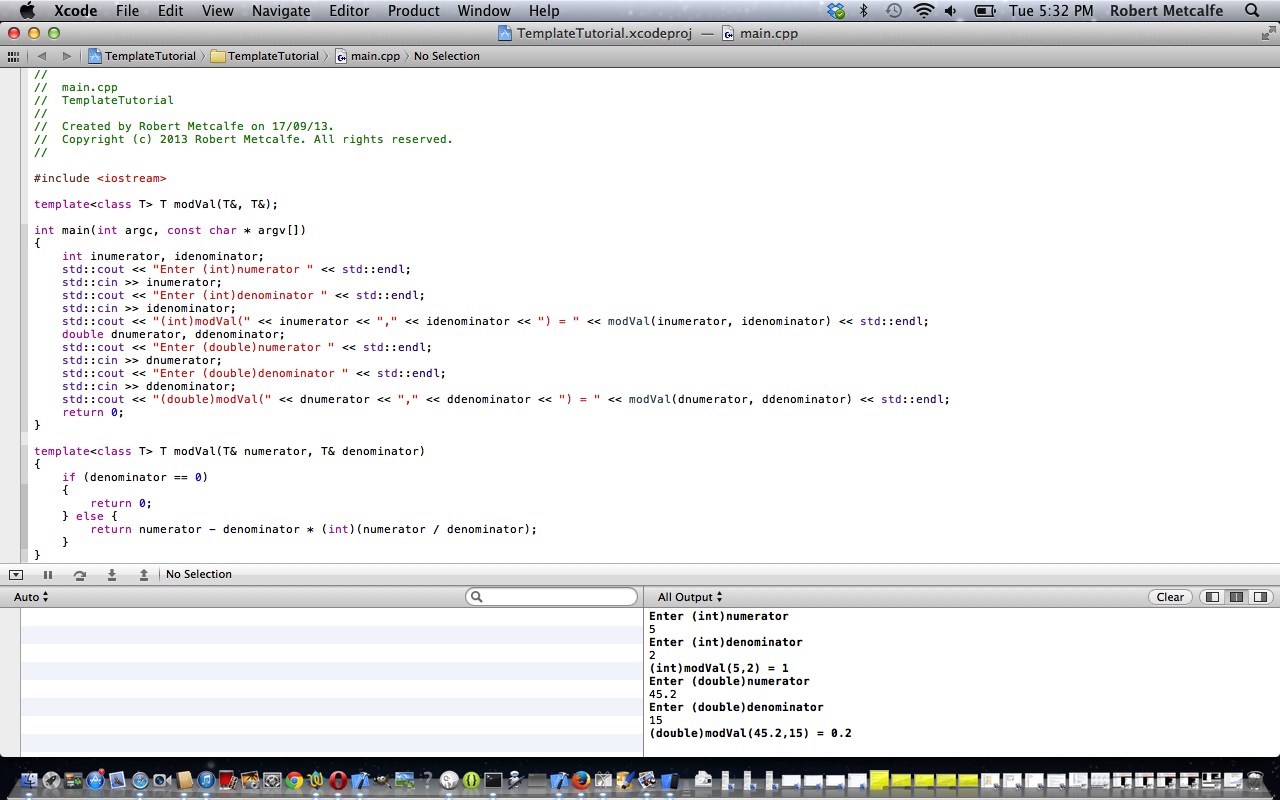
Cpp Template Function
The problem is that buttonclickedevent is a member function and you need a pointer to.
The only member function in the previous class. Now, alternatively, it is also possible for the template member function to be defined independently of the declaration of its class template. In c++ this can be achieved using template parameters. The compiler will use the template arguments that you used, in this case, to create the. The problem is that buttonclickedevent is a member function and you need a pointer to member in order to invoke it. There are three kinds of templates: In a function template, the template parameter pack may appear earlier in the list provided that all following parameters can be deduced from the function arguments, or have default arguments: A template parameter is a special kind of parameter that can be used to pass a type as argument: Just like regular function parameters can be used to pass values to a function, template parameters allow to pass also types to a function. A function template behaves like a function except that the template can have arguments of many different types. Construct and insert element (public member function) emplace_back construct and insert element at the end (public member function) allocator: Function parameter list, member initializer list, attribute list, etc.
In A Function Template, The Template Parameter Pack May Appear Earlier In The List Provided That All Following Parameters Can Be Deduced From The Function Arguments, Or Have Default Arguments:
There are three kinds of templates: A function template behaves like a function except that the template can have arguments of many different types. The only member function in the previous class. In c++ this can be achieved using template parameters.
Now, Alternatively, It Is Also Possible For The Template Member Function To Be Defined Independently Of The Declaration Of Its Class Template.
The Problem Is That Buttonclickedevent Is A Member Function And You Need A Pointer To Member In Order To Invoke It.
Function parameter list, member initializer list, attribute list, etc.