Jinja Template Example
And just wan't to send some simple email for example. The core component of jinja is the environment.it contains important shared variables like configuration, filters, tests. For windows you can use ansible.windows.win_template which uses \r\n as newline_sequence by default. Jinja is a fast, expressive, extensible templating engine. From jinja2 import environment, packageloader env =.
Jinja Template Example - Since jinja's template inheritance processing. For example, {% set foo = bar %} {{ foo }} outputs. Then the template is passed data to render the final document. Then the template is passed data to render the final document. The simplest way to configure jinja2 to load templates for your application looks roughly like this: For working with templates and utilizing jinja2 native types see the jinja2_native parameter of the. For windows you can use ansible.windows.win_template which uses \r\n as newline_sequence by default. This gives you the power to include variables, create loops. Why call this method and not return html data immediately? The jinja api document at pocoo.org states:
Jinja Template Example Gallery
Jinja Template Cheat Sheet and FREE Sample DEV
Native types are never used in the template module which is by design used for.
Flask Jinja For Loop picblubber
Define and import macros within templates. Native types are never used in the template module.
Python Templating Engine Intro to Jinja
Jinja is a fast, expressive, extensible templating engine. For working with templates and utilizing jinja2.

pythondocx template word document operation Programmer Sought
Jinja is a fast, expressive, extensible templating engine. For working with templates and utilizing jinja2.
Flask Jinja Template inheritance Example
The jinja api document at pocoo.org states: The low level api on the other side.
Running a forloop over a Jinja2 dictionary
Why call this method and not return html data immediately? And just wan't to send.
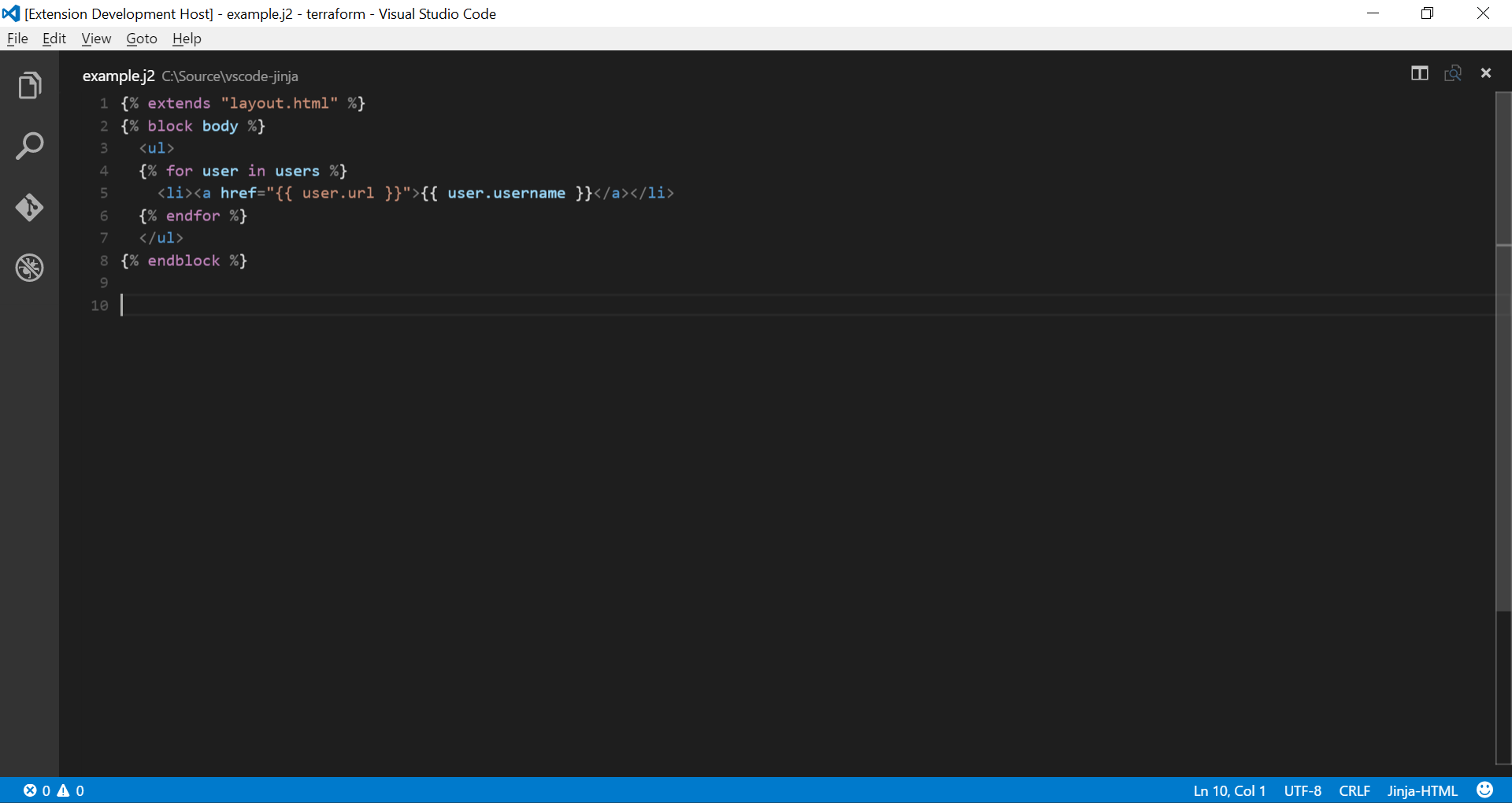
GitHub wholroyd/vscodejinja Visual Studio Code support for the
The low level api on the other side is only useful if you want to.

python How can I include form value in url_for function from jinja
For windows you can use ansible.windows.win_template which uses \r\n as newline_sequence by default. Jinja is.
The simplest way to configure jinja2 to load templates for your application looks roughly like this: Jan 21, 2020 at 21:44. Jinja is a fast, expressive, extensible templating engine. There are scoping issues which means that variable values don’t persist between loop iterations, for example, if you want some output to be conditional on a comparison between previous and current loop values: And just wan't to send some simple email for example. The jinja api document at pocoo.org states: Why call this method and not return html data immediately? The jinja2_native setting has no effect. Since jinja's template inheritance processing. For windows you can use ansible.windows.win_template which uses \r\n as newline_sequence by default. This gives you the power to include variables, create loops. Special placeholders in the template allow writing code similar to python syntax. For working with templates and utilizing jinja2 native types see the jinja2_native parameter of the. Jinja is a fast, expressive, extensible templating engine. From jinja2 import environment, packageloader env =.
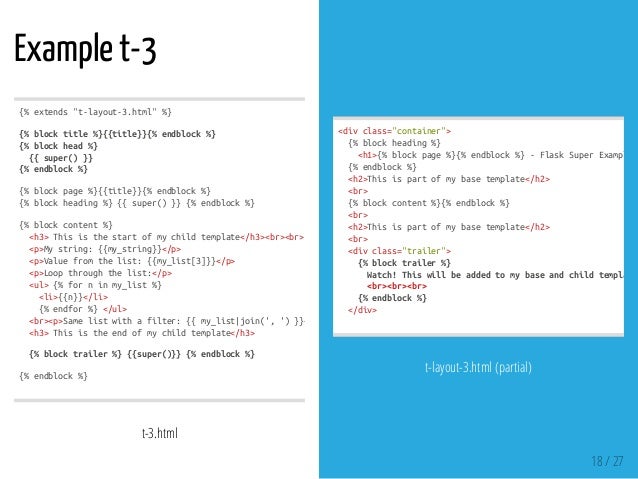
Since Jinja's Template Inheritance Processing.
The core component of jinja is the environment.it contains important shared variables like configuration, filters, tests. Jan 21, 2020 at 21:44. Special placeholders in the template allow writing code similar to python syntax. Flask is bundled with a language named jinja2.
Define And Import Macros Within Templates.
Why Call This Method And Not Return Html Data Immediately?
Jinja is a fast, expressive, extensible templating engine. Native types are never used in the template module which is by design used for generating text files. The low level api on the other side is only useful if you want to dig deeper into jinja or develop extensions. The jinja api document at pocoo.org states:
There Are Scoping Issues Which Means That Variable Values Don’t Persist Between Loop Iterations, For Example, If You Want Some Output To Be Conditional On A Comparison Between Previous And Current Loop Values:
For working with templates and utilizing jinja2 native types see the jinja2_native parameter of the. The jinja2_native setting has no effect. For example, {% set foo = bar %} {{ foo }} outputs. This gives you the power to include variables, create loops.