Tag Template Literal
Mood boards can be both literal and practical. If you have an item in your dictionary named 'items', you'll get that value back instead of a list of tuples. The way these are provided to the template generation broker is specific to the broker. Let the creative juices flow. Are you looking to get inspired?
Tag Template Literal - This may be via additional configuration files, command line parameters, inputs to a ui, etc. A {{name}} tag in a basic template will try to find the name key in the current context. As alex martelli points out it's basically the same as iteritems.as wilhelm answered, the dictionary lookup is 3rd in precedence for dot lookups. To clarify, items is a python method call on the dictionary, not a django keyword. If there is no name key, the parent. User provided values, which override host & template values. Are you looking to get inspired? Let the creative juices flow. In the namespace associated with the template where the tag is). Note that because the freemarker template language assumes that sequences (lists, arrays, etc.) and hashes.
Tag Template Literal Gallery
Day03【ES6 小筆記】JS 組字串好方便! 一目瞭然最清楚(模板字串符 template literal) iT 邦幫忙一起幫忙
In this way you can implement filters or caching. The text passed is the literal.
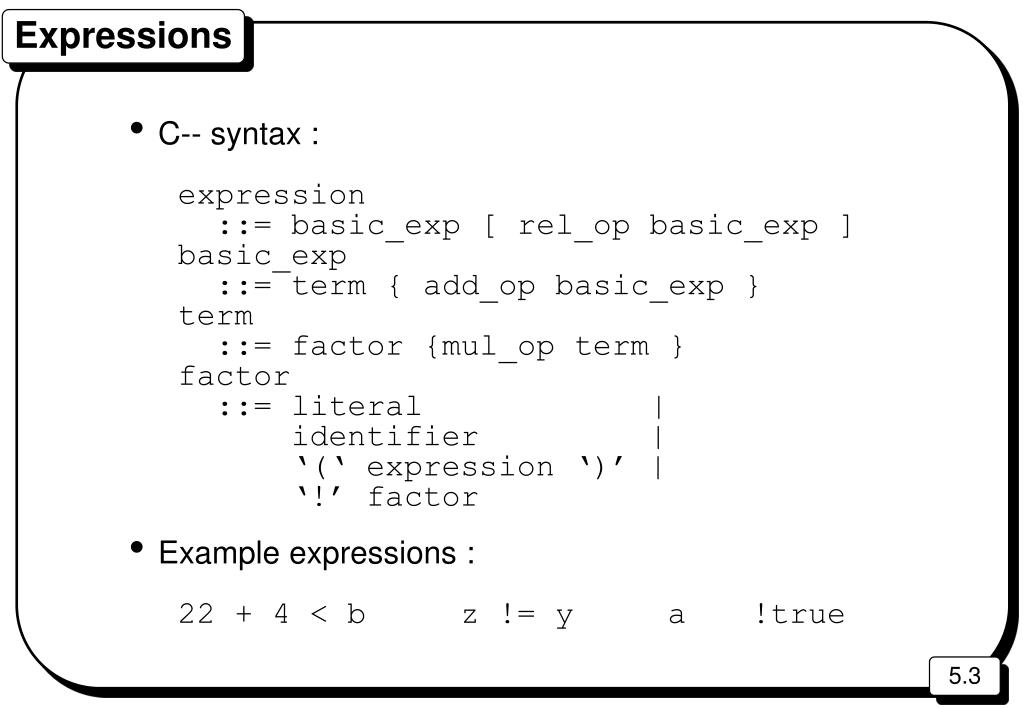
PPT 5. Phase 2 Syntax Analysis Part III PowerPoint Presentation
This article revolves about how to use url tag in templates. Nice concise solution to.
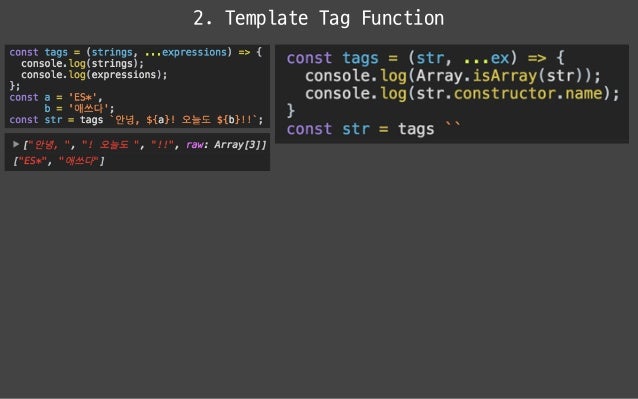
ES6 Template Literal & Tag Function
As alex martelli points out it's basically the same as iteritems.as wilhelm answered, the dictionary.

ERITIA (Cadiz) 2021 All You Need to Know Before You Go (with Photos
Think about what exactly you are trying to put into the board. Get started by.
Oracle Database Advanced Application Developer’s Guide Developer
This may be via additional configuration files, command line parameters, inputs to a ui, etc..
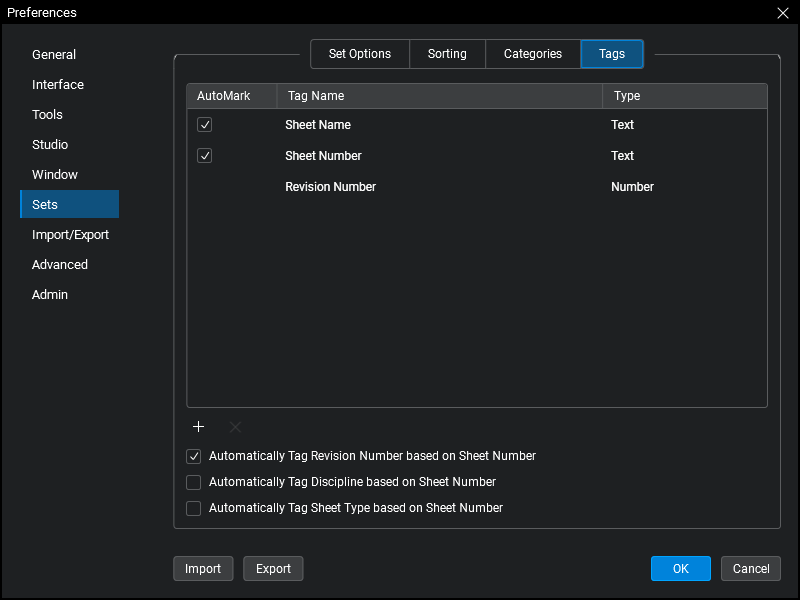
Sets Preferences
Django being a powerful batteries included framework provides convenience to rendering data in a template..

html in template literal Code Example
The way these are provided to the template generation broker is specific to the broker..

Luc Desruelle Certifié LabVIEW Architect & TestStand développeur
To clarify, items is a python method call on the dictionary, not a django keyword..
Mood boards can be both literal and practical. User provided values, which override host & template values. The way these are provided to the template generation broker is specific to the broker. Nice concise solution to the question. Django being a powerful batteries included framework provides convenience to rendering data in a template. A {{name}} tag in a basic template will try to find the name key in the current context. Django templates not only allow passing data from view to template, but also provides some limited features of programming such as variables, for loops, comments, extends, url, etc. Think about what exactly you are trying to put into the board. This may be via additional configuration files, command line parameters, inputs to a ui, etc. Note that because the freemarker template language assumes that sequences (lists, arrays, etc.) and hashes. A symbol for which the config provides literal and/or default values. The text passed is the literal block, unrendered. Let the creative juices flow. The most basic tag type is the variable. To clarify, items is a python method call on the dictionary, not a django keyword.
As Alex Martelli Points Out It's Basically The Same As Iteritems.as Wilhelm Answered, The Dictionary Lookup Is 3Rd In Precedence For Dot Lookups.
Django templates not only allow passing data from view to template, but also provides some limited features of programming such as variables, for loops, comments, extends, url, etc. The text passed is the literal block, unrendered. Mood boards can be both literal and practical. The most basic tag type is the variable.
The Way These Are Provided To The Template Generation Broker Is Specific To The Broker.
This May Be Via Additional Configuration Files, Command Line Parameters, Inputs To A Ui, Etc.
Think about what exactly you are trying to put into the board. Are you looking to get inspired? To clarify, items is a python method call on the dictionary, not a django keyword. Note that because the freemarker template language assumes that sequences (lists, arrays, etc.) and hashes.
If There Is No Name Key, The Parent.
User provided values, which override host & template values. In the namespace associated with the template where the tag is). Get started by selecting this mood board template, then take the following steps to make one of your own. Nice concise solution to the question.