Template Specialization Function
An explicit specialization of a function template is inline only if it is declared with the inline specifier (or defined as deleted), it doesn't matter if the primary template is inline. Template specializations the char_traits standard template supports to be instantiated with at least the following character types: The second function template has the same template parameters as the second partial specialization and has just one function parameter whose type is a class template specialization with all the template arguments from the second partial specialization. Template<> void myswap(double a, double b); The compiler will use the template arguments that you used, in this case, to create the class template when you call a member function of a class template specialization.
Template Specialization Function - Template specializations the char_traits standard template supports to be instantiated with at least the following character types: The specialization itself is still a template on the type pointed to or. The compiler will use the template arguments that you used, in this case, to create the class template when you call a member function of a class template specialization. Now, alternatively, it is also possible for the template member function to be defined independently of the declaration of its class template. Default function arguments cannot be. The result is a template parameterized on the remaining types. This shall be one of the types for which an specialization is provided. Aliased as member type char_traits::char_type. In this way certain template types can have a specialized implementation that is optimized for the type or a more meaningful. Sometimes, the programmer may decide to implement a special version of a function (or class) for a given set of template type arguments which is called an explicit specialization.
Template Specialization Function Gallery

Template Specialization In C++ YouTube
The function templates are then ranked as if for function template overloading. The second function.
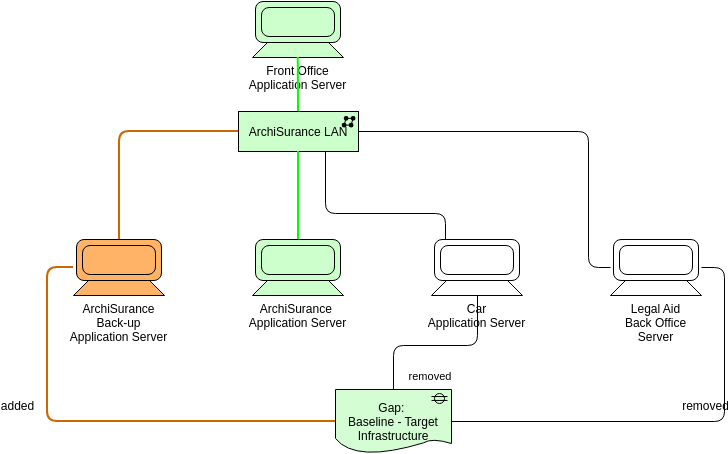
Business Function Archimate Diagram Template
Default function arguments cannot be. The function templates are then ranked as if for function.
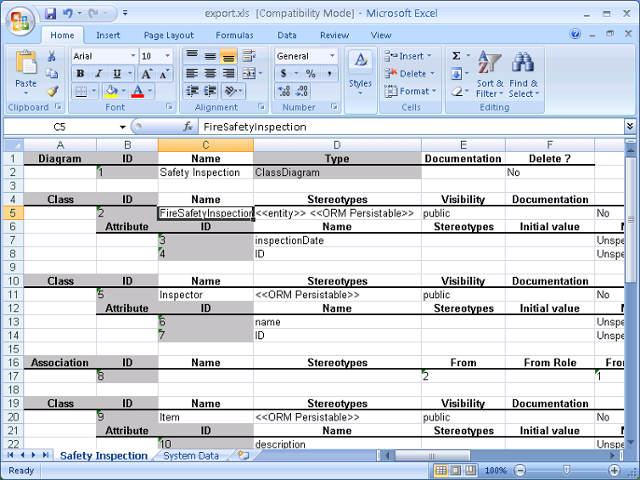
Association Matrix Template Excel flow chart
(public static member function) lt compare characters for inequality (public static. This shall be one.

Class template with multiple parameters in c++ example
This declaration enables you to define a different function for double variables. Sometimes, the programmer.

Brain Left And Right Hemispheres Infographics Vector Illustration Stock
Consider the case where you want to design a class that stores 8 objects. A.
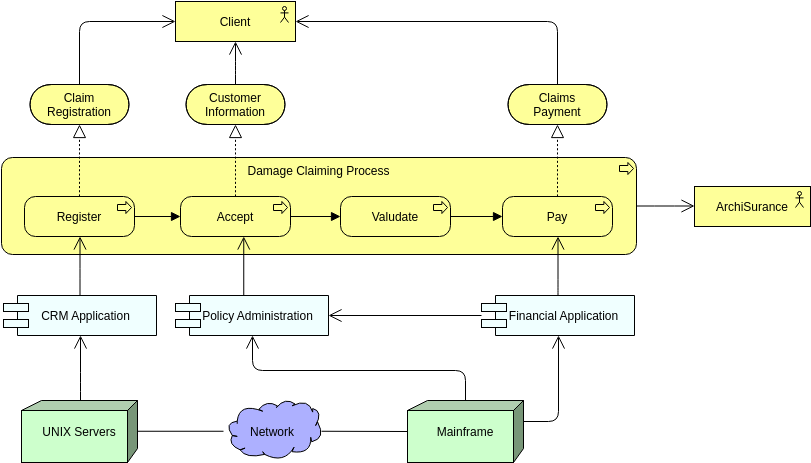
Specialization Relationship Archimate Diagram Template
(public static member function) lt compare characters for inequality (public static. The function templates are.
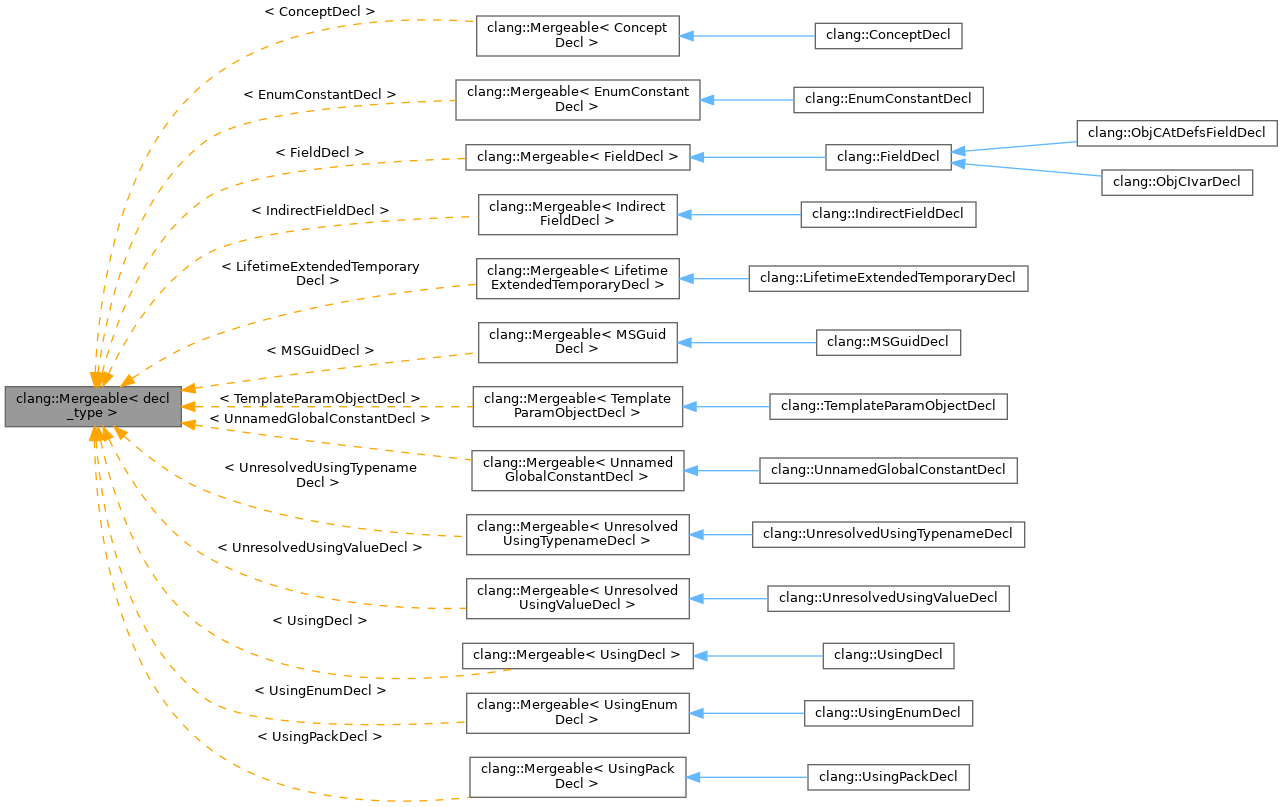
clang clangMergeable Class Template Reference
An explicit specialization of a function template is inline only if it is declared with.

PPT Microscopic images and Cell Specialization PowerPoint
The second function template has the same template parameters as the second partial specialization and.
The function templates are then ranked as if for function template overloading. A template has multiple types and only some of them need to be specialized. Template specializations the char_traits standard template supports to be instantiated with at least the following character types: Sometimes, the programmer may decide to implement a special version of a function (or class) for a given set of template type arguments which is called an explicit specialization. A function with the same name and the same argument list as a specialization is not a specialization (see template overloading in function template). In this way certain template types can have a specialized implementation that is optimized for the type or a more meaningful. However, template type parameters are not the only type of template parameters available. Consider the case where you want to design a class that stores 8 objects. (public static member function) lt compare characters for inequality (public static. With a function template, you can define special behavior for a specific type by providing an explicit specialization (override) of the function template for that type. Template<> void myswap(double a, double b); The compiler will use the template arguments that you used, in this case, to create the class template when you call a member function of a class template specialization. The second function template has the same template parameters as the second partial specialization and has just one function parameter whose type is a class template specialization with all the template arguments from the second partial specialization. Aliased as member type char_traits::char_type. This shall be one of the types for which an specialization is provided.
Consider The Case Where You Want To Design A Class That Stores 8 Objects.
The compiler will use the template arguments that you used, in this case, to create the class template when you call a member function of a class template specialization. The second function template has the same template parameters as the second partial specialization and has just one function parameter whose type is a class template specialization with all the template arguments from the second partial specialization. Template<> void myswap(double a, double b); In this way certain template types can have a specialized implementation that is optimized for the type or a more meaningful.
With A Function Template, You Can Define Special Behavior For A Specific Type By Providing An Explicit Specialization (Override) Of The Function Template For That Type.
Template Specializations The Char_Traits Standard Template Supports To Be Instantiated With At Least The Following Character Types:
The specialization itself is still a template on the type pointed to or. However, template type parameters are not the only type of template parameters available. Aliased as member type char_traits::char_type. This shall be one of the types for which an specialization is provided.
Sometimes, The Programmer May Decide To Implement A Special Version Of A Function (Or Class) For A Given Set Of Template Type Arguments Which Is Called An Explicit Specialization.
This declaration enables you to define a different function for double variables. The function templates are then ranked as if for function template overloading. A template has multiple types and only some of them need to be specialized. An explicit specialization of a function template is inline only if it is declared with the inline specifier (or defined as deleted), it doesn't matter if the primary template is inline.