Template Strand Coding Strand
The 'coding' templates are based on the 110 pattern, although more 0s are required for most of. When the dna is read so that it can ultimately be translated into a protein, it can only be read in one direction. The genetic code is the set of rules used by living cells to translate information encoded within genetic material (dna or rna sequences of nucleotide triplets, or codons) into proteins.translation is accomplished by the ribosome, which links proteinogenic amino acids in an order specified by messenger rna (mrna), using transfer rna (trna) molecules to carry. Initiation (promoters), elongation, and termination. The major technical challenges include various.
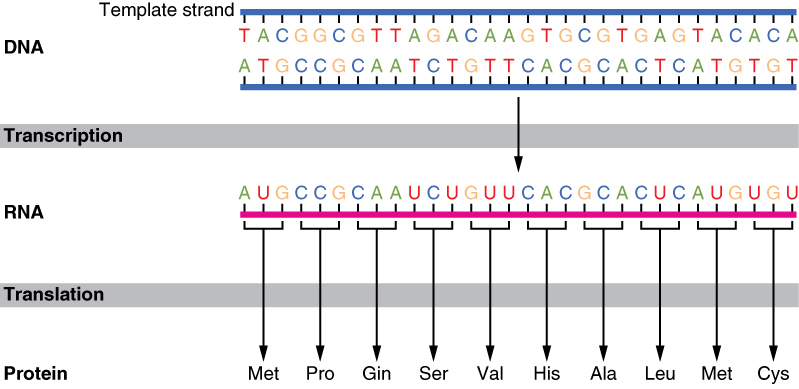
Template Strand Coding Strand - This is because its base sequence is identical to the synthesised mrna, except for the replacement of thiamine bases with uracil. The field of study is based on the merging of. The 'coding' templates are based on the 110 pattern, although more 0s are required for most of. Require two words for extension: Initiation (promoters), elongation, and termination. The second coding region below is partial at the 3' end so > is used to indicate a 3' partial feature. In a cell, antisense dna serves as the template for producing messenger rna (mrna), which directs the synthesis of a protein. The other dna strand is referred to as the coding strand. The third example is of a 3' partial coding region on. Number of 1s in the template):
Template Strand Coding Strand Gallery
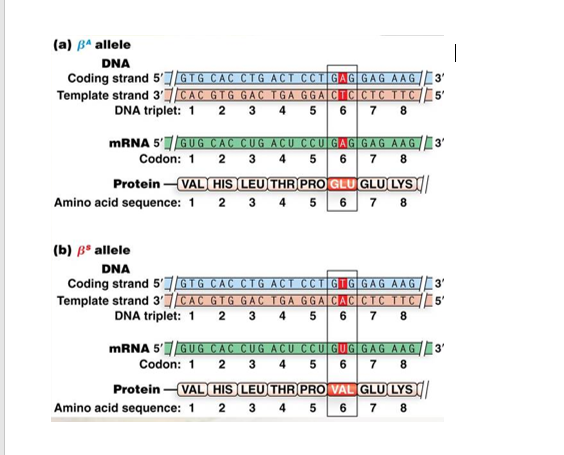
Solved (a) β^ Allele DNA Coding Strand 51 Template Strand...
Require two words for extension: The third example is of a 3' partial coding region.
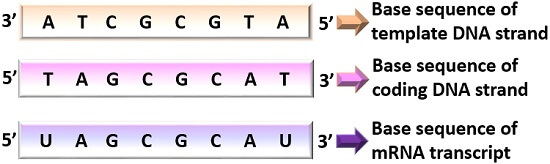
Difference Between Template and Coding Strand (with Comparison Chart
Require two words for extension: One dna strand (the template strand) is read in a.

Comparison Between Transcript Coding And Template Coding And
Molecular genetics often applies an investigative approach to determine the structure and/or function of genes.
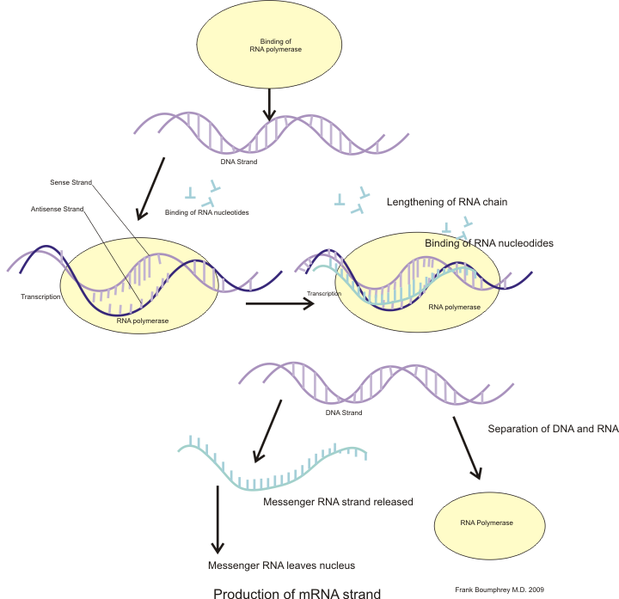
Difference Between Template and Coding Strand Compare the Difference
The third example is of a 3' partial coding region on. When the dna is.
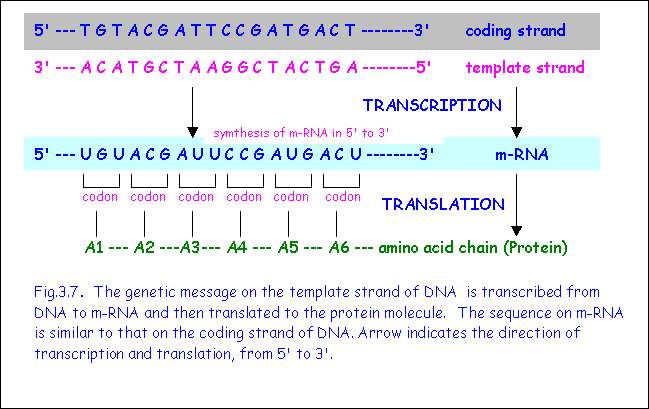
2
When the dna is read so that it can ultimately be translated into a protein,.

The coding strand of DNA is 5'AATTCAAATTAGG3'
Require two words for extension: The third example is of a 3' partial coding region.

DNA Transcription Part1
In a cell, antisense dna serves as the template for producing messenger rna (mrna), which.
Difference Between Template and Coding Strand Definition
Number of 1s in the template): Molecular genetics often applies an investigative approach to determine.
A promoter and terminator are present in which strand coding or
Molecular genetics often applies an investigative approach to determine the structure and/or function of genes.
Number of 1s in the template): Require two words for extension: Note that if the codon_start is not specified, then the software assumes a codon_start of 1. The third example is of a 3' partial coding region on. In a cell, antisense dna serves as the template for producing messenger rna (mrna), which directs the synthesis of a protein. The 'coding' templates are based on the 110 pattern, although more 0s are required for most of. The genetic code is the set of rules used by living cells to translate information encoded within genetic material (dna or rna sequences of nucleotide triplets, or codons) into proteins.translation is accomplished by the ribosome, which links proteinogenic amino acids in an order specified by messenger rna (mrna), using transfer rna (trna) molecules to carry. The other dna strand is referred to as the coding strand. Initiation (promoters), elongation, and termination. This is because its base sequence is identical to the synthesised mrna, except for the replacement of thiamine bases with uracil. One dna strand (the template strand) is read in a 3′ to 5′ direction, and so provides the template for the new mrna molecule. The major technical challenges include various. Molecular genetics often applies an investigative approach to determine the structure and/or function of genes in an organism's genome using genetic screens. The field of study is based on the merging of. When the dna is read so that it can ultimately be translated into a protein, it can only be read in one direction.
One Dna Strand (The Template Strand) Is Read In A 3′ To 5′ Direction, And So Provides The Template For The New Mrna Molecule.
Note that if the codon_start is not specified, then the software assumes a codon_start of 1. This is because its base sequence is identical to the synthesised mrna, except for the replacement of thiamine bases with uracil. The genetic code is the set of rules used by living cells to translate information encoded within genetic material (dna or rna sequences of nucleotide triplets, or codons) into proteins.translation is accomplished by the ribosome, which links proteinogenic amino acids in an order specified by messenger rna (mrna), using transfer rna (trna) molecules to carry. The field of study is based on the merging of.
Initiation (Promoters), Elongation, And Termination.
Molecular Genetics Often Applies An Investigative Approach To Determine The Structure And/Or Function Of Genes In An Organism's Genome Using Genetic Screens.
In a cell, antisense dna serves as the template for producing messenger rna (mrna), which directs the synthesis of a protein. The other dna strand is referred to as the coding strand. The second coding region below is partial at the 3' end so > is used to indicate a 3' partial feature. The third example is of a 3' partial coding region on.