Template Strand Definition
It is to be noted that elongation is unidirectional i.e. In transcription, the dna sequence of a gene is transcribed (copied out) to make an rna molecule. Radiation, chemical mutagens, heat, enzymatic errors, and spontaneous decay constantly damage dna. Dna is always polymerised only in the 5′ to 3′ direction. The replication process relies on the fact that each strand of dna can serve as a template for duplication.
Template Strand Definition - Dna replication initiates at specific points, called origins, where the dna double helix. In transcription, the dna sequence of a gene is transcribed (copied out) to make an rna molecule. Template definition, a pattern, mold, or the like, usually consisting of a thin plate of wood or metal, serving as a gauge or guide in mechanical work. They occur as fragments called. It is to be noted that elongation is unidirectional i.e. During protein productions, the two dna strands temporarily separate. Radiation, chemical mutagens, heat, enzymatic errors, and spontaneous decay constantly damage dna. In a cell, antisense dna serves as the template for producing messenger rna (mrna), which directs the synthesis of a protein. Dna repair is a collection of cellular responses by which a cell identifies and corrects any damage to the dna molecules that encode its genome. The antisense strand then becomes a template for making messenger rna, and the.
Template Strand Definition Gallery

Lagging Strand of DNA Definition & Synthesis Video & Lesson
The antisense strand then becomes a template for making messenger rna, and the. The repair.
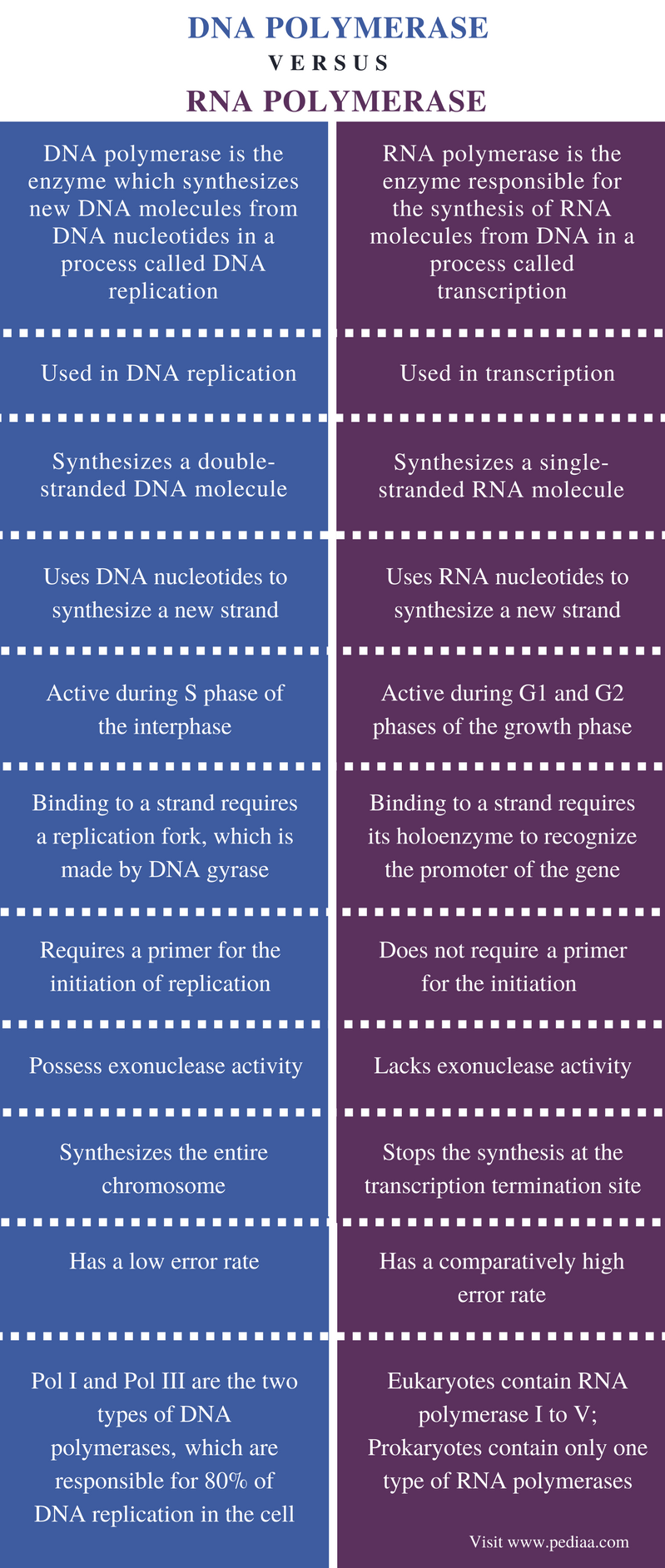
Difference Between DNA and RNA Polymerase Definition, Replication
In a cell, antisense dna serves as the template for producing messenger rna (mrna), which.

DNA III Biology Visionlearning
Dna repair is a collection of cellular responses by which a cell identifies and corrects.
Print Exam 3 Chs. 5 (DNA Structure and Replication Machinery) & 16
It is to be noted that elongation is unidirectional i.e. In a cell, antisense dna.

Models of DNA replication, notes with Definition & diagram/
In a cell, antisense dna serves as the template for producing messenger rna (mrna), which.
PPT DNA PowerPoint Presentation, free download ID4688998
It is to be noted that elongation is unidirectional i.e. During protein productions, the two.
ADN III Biology Visionlearning
It is to be noted that elongation is unidirectional i.e. Dna replication initiates at specific.

Translesion DNA Synthesis
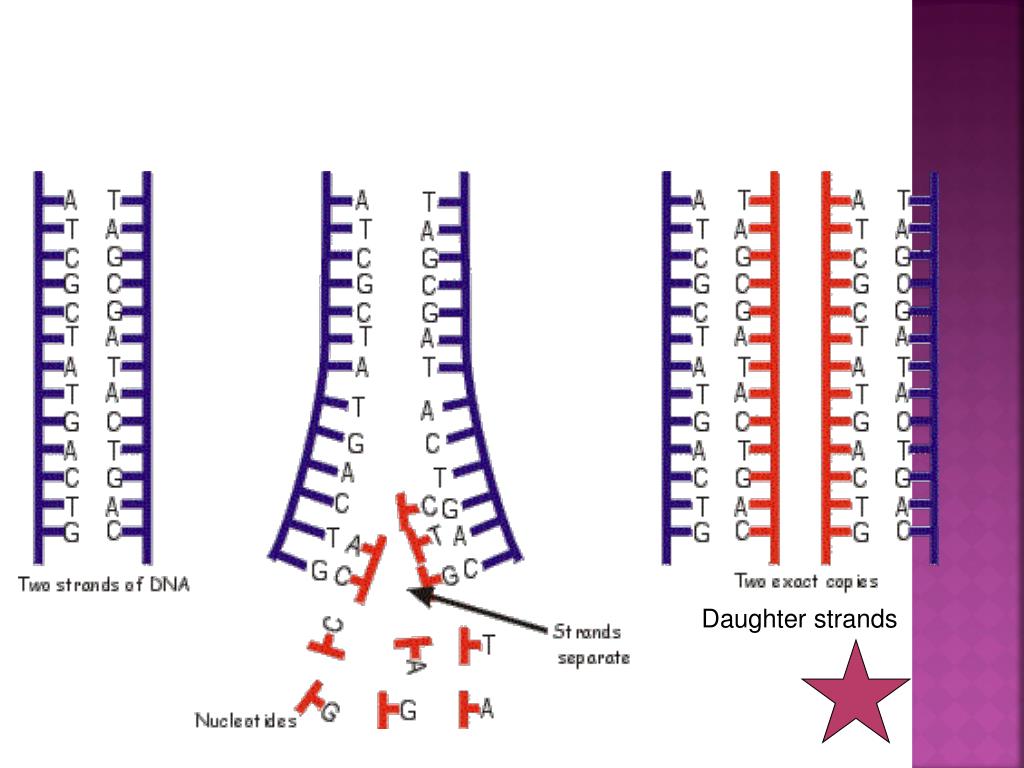
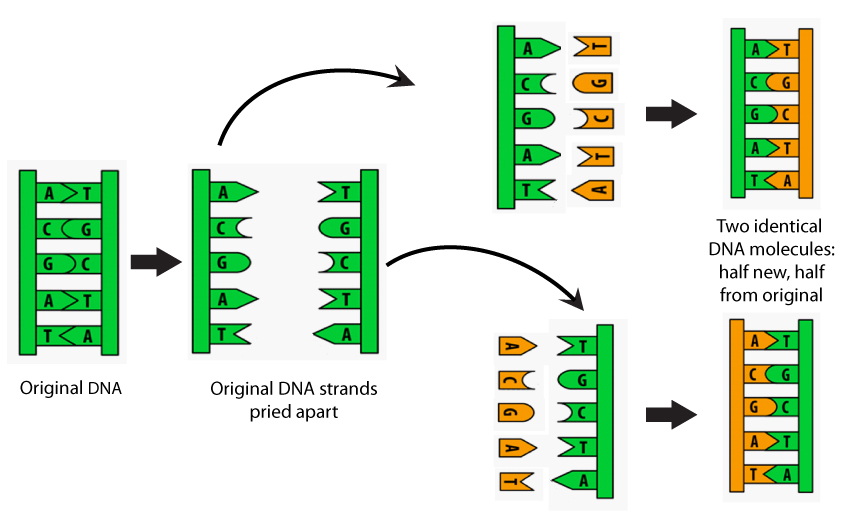
The replication process relies on the fact that each strand of dna can serve as.
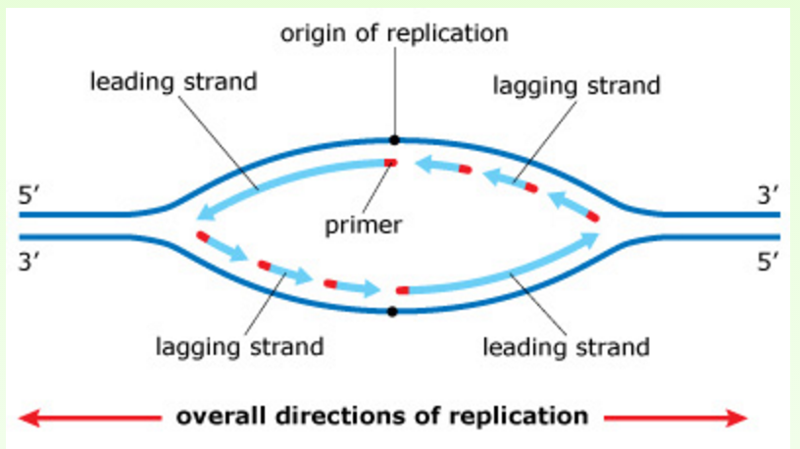
Dna is always polymerised only in the 5′ to 3′ direction. In transcription, the dna sequence of a gene is transcribed (copied out) to make an rna molecule. Dna repair is a collection of cellular responses by which a cell identifies and corrects any damage to the dna molecules that encode its genome. Therefore, in one strand (the template 3‘→5‘) it is continuous, hence called continuous replication while on the other strand (the template 5‘→3‘) it is discontinuous replication. They occur as fragments called. Template definition, a pattern, mold, or the like, usually consisting of a thin plate of wood or metal, serving as a gauge or guide in mechanical work. Radiation, chemical mutagens, heat, enzymatic errors, and spontaneous decay constantly damage dna. The replication process relies on the fact that each strand of dna can serve as a template for duplication. The antisense strand then becomes a template for making messenger rna, and the. Dna replication initiates at specific points, called origins, where the dna double helix. During protein productions, the two dna strands temporarily separate. In a cell, antisense dna serves as the template for producing messenger rna (mrna), which directs the synthesis of a protein. The repair system makes this distinction by identifying the template strand. It is to be noted that elongation is unidirectional i.e.
In A Cell, Antisense Dna Serves As The Template For Producing Messenger Rna (Mrna), Which Directs The Synthesis Of A Protein.
Radiation, chemical mutagens, heat, enzymatic errors, and spontaneous decay constantly damage dna. The replication process relies on the fact that each strand of dna can serve as a template for duplication. Dna is always polymerised only in the 5′ to 3′ direction. The antisense strand then becomes a template for making messenger rna, and the.
It Is To Be Noted That Elongation Is Unidirectional I.e.
In Transcription, The Dna Sequence Of A Gene Is Transcribed (Copied Out) To Make An Rna Molecule.
Therefore, in one strand (the template 3‘→5‘) it is continuous, hence called continuous replication while on the other strand (the template 5‘→3‘) it is discontinuous replication. The repair system makes this distinction by identifying the template strand. Dna replication initiates at specific points, called origins, where the dna double helix.