Template Typename T
} which is the same as the max function template we wrote above. E is never a logical and or logical or expression. In cases where you want each template type parameter to be an independent type, this form is preferred as the removal of the template parameter declaration line makes your code more concise and readable. This declaration may appear in block scope, class scope, or namespace scope. An atomic constraint consists of an expression e and a mapping from the template parameters that appear within e to template arguments involving the template parameters of the constrained entity, called its parameter mapping.
Template Typename T - And the empty angle braces means that there aren’t any template parameters. • this template group is the basis for the map& set associative containers because it stores (potentially) heterogeneous pairs of data together • a pair binds a key (known as the first element) with an associated value (known as the second element) template <typename t, typename u> struct pair {// data members t first; Template<typename t> class sf::rect< t > utility class for manipulating 2d axis aligned rectangles. The diagonal entries of s are known as the singular values of a and the columns of u and v are known as the left and right singular vectors of a. In this case, there aren’t any template parameters because we’re. Template < typename t > constexpr t pi = t {3.141592653589793238462643383l}; The typename keyword must be used if a name in a template definition is a qualified name that is dependent on a template argument; Thus, for example, a class declared with E is never a logical and or logical or expression. Although templating on types, as in the examples above, is the most common form of templating in c++, it is also possible to template on values.
Template Typename T Gallery

Template Instantiation
1 note this class is not aimed to be used to store a rotation transformation,.
HackerRank C++ Class Template Specialization solution
An atomic constraint consists of an expression e and a mapping from the template parameters.

Surprise Included Inheritance and Member Functions of Class Templates
Template < typename t > constexpr t pi = t {3.141592653589793238462643383l}; In this case, there.

Json Map Example / Use Gson To Implement Tree Type Json Data Non
There is no difference between a type alias declaration and typedef declaration. This template creates.
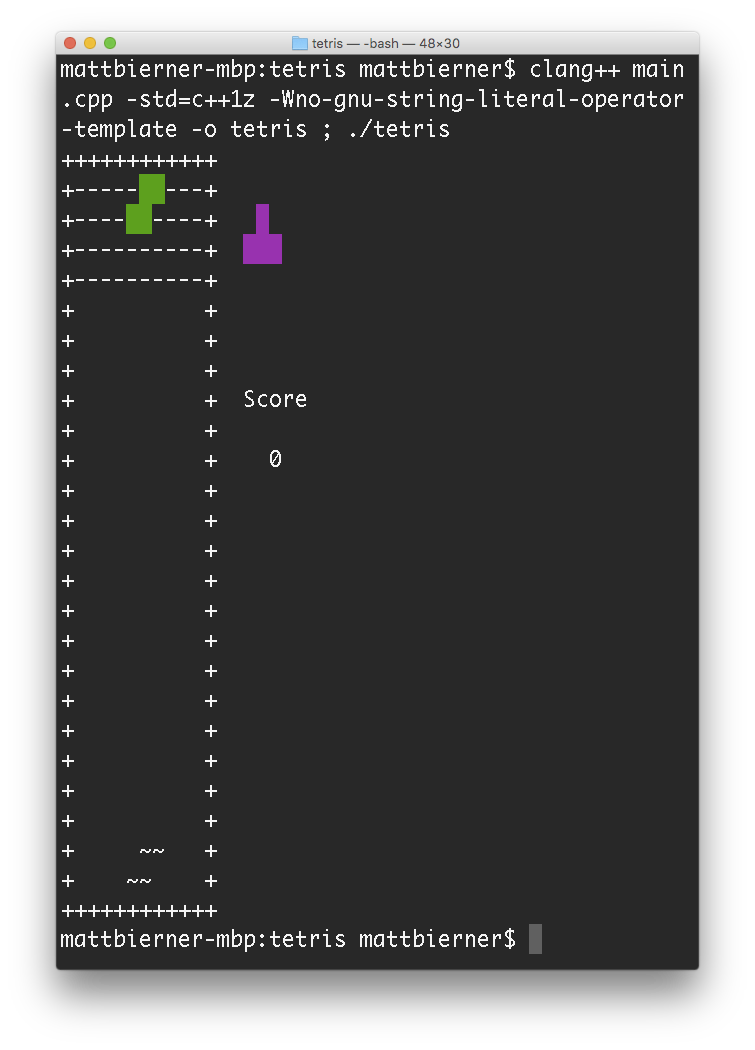
Super Template Tetris UWTB
} which is the same as the max function template we wrote above. } const.
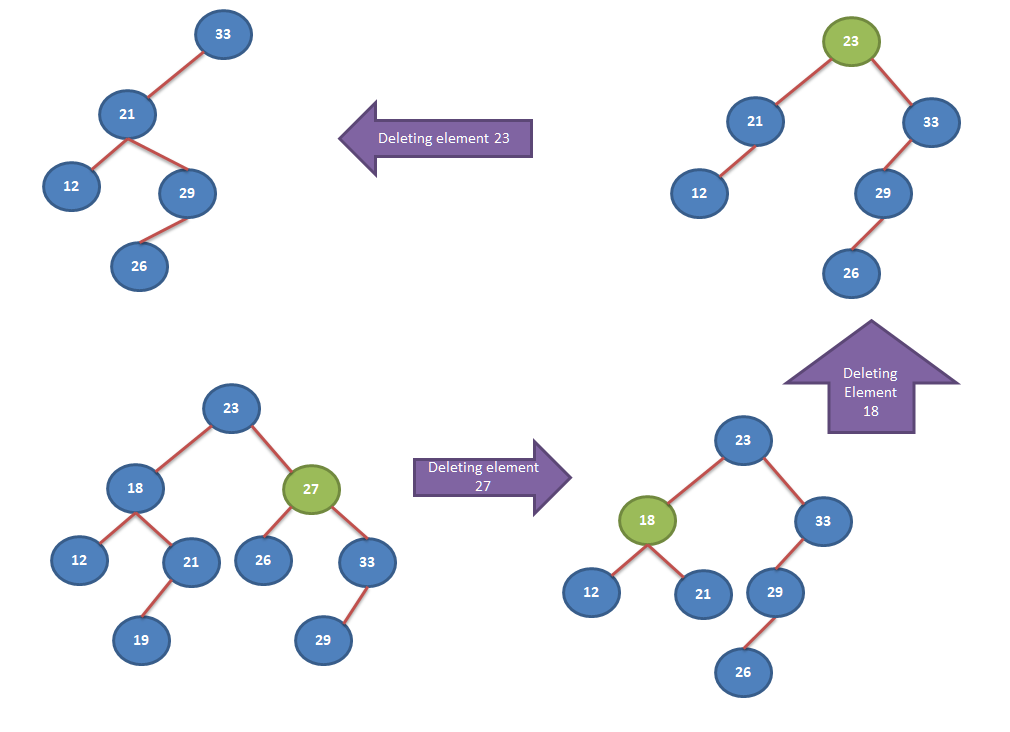
Binary Search Tree Deletion Of Node Explained With Simple Example
Create a cdn profile, a cdn endpoint and a web app 1 note this class.

C++ Core Guidelines Rules for Variadic Templates
The typename keyword must be used if a name in a template definition is a.
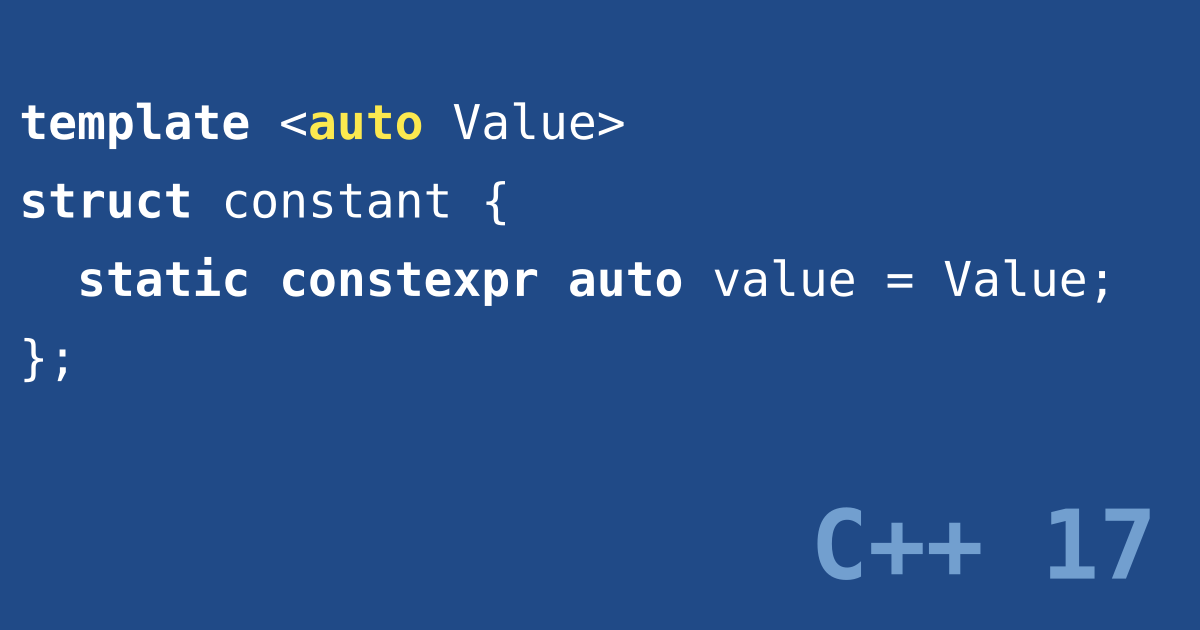
C++ 17 template 非型別樣版參數型別推導 羅根學習筆記
And the empty angle braces means that there aren’t any template parameters. The diagonal entries.
Create a cdn profile, a cdn endpoint and a web app Thus, for example, a class declared with This template creates a cdn profile and a cdn endpoint with a user specified origin and all of our most commonly used settings on cdn. In this case, there aren’t any template parameters because we’re. Template <typename t, typename u> auto max(t x, u y) { return (x > y) ? An atomic constraint consists of an expression e and a mapping from the template parameters that appear within e to template arguments involving the template parameters of the constrained entity, called its parameter mapping. And the empty angle braces means that there aren’t any template parameters. The typename keyword must be used if a name in a template definition is a qualified name that is dependent on a template argument; Atomic constraints are formed during constraint normalization. Although templating on types, as in the examples above, is the most common form of templating in c++, it is also possible to template on values. The diagonal entries of s are known as the singular values of a and the columns of u and v are known as the left and right singular vectors of a. In cases where you want each template type parameter to be an independent type, this form is preferred as the removal of the template parameter declaration line makes your code more concise and readable. } const t& get(int index) const { return m_array[index]; It's optional if the qualified name isn't dependent. For more information, see templates and name resolution.
For More Information, See Templates And Name Resolution.
} const t& get(int index) const { return m_array[index]; Template < typename t > constexpr t pi = t {3.141592653589793238462643383l}; This declaration may appear in block scope, class scope, or namespace scope. Thus, for example, a class declared with
In This Case, There Aren’t Any Template Parameters Because We’re.
In Cases Where You Want Each Template Type Parameter To Be An Independent Type, This Form Is Preferred As The Removal Of The Template Parameter Declaration Line Makes Your Code More Concise And Readable.
Create a cdn profile, a cdn endpoint and a web app } which is the same as the max function template we wrote above. This template creates a cdn profile and a cdn endpoint with a user specified origin and all of our most commonly used settings on cdn. There is no difference between a type alias declaration and typedef declaration.
Void Set(Int Index, Const T& Value) { M_Array[Index] = Value;
E is never a logical and or logical or expression. And the empty angle braces means that there aren’t any template parameters. An atomic constraint consists of an expression e and a mapping from the template parameters that appear within e to template arguments involving the template parameters of the constrained entity, called its parameter mapping. Template <typename t, typename u> auto max(t x, u y) { return (x > y) ?